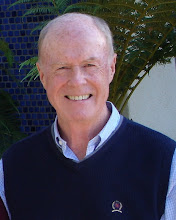
Present: David Mann, Sean Brown, Jeff Hecht, Jennifer Curlee, Allison Watanabe, Joel Manfredo, Jon Grunzweig, Keith Golden, John Hahn, Colleen O’Higgins, Dave Phillips
We welcomed Colleen O’Higgins, UCI Donald Bren School of Information and Computer Sciences, to describe the goals, objectives and opportunities of its Corporate Committee. Her handout described the charter of the committee, its objectives, several of the engagement opportunities and plans for this next year. For more information, please contact Colleen at cohiggin@uci.edu, or Jon Hahn at jhahn@semtech.com.
The following is a list of topics and speakers through September:
7/12/12 Mobile Device Security David Mann
8/9/12 Innovation Joe Stein
9/13/12 CIO Compensation Ken Wechsler, Radford
Topic: Mobile Device Security
David Mann started by saying that there ia a diversity of mobile devices (Android, iOS, Symbian, Blackberry, Windows Phone, ….) which enable employees to work from “anywhere, anytime”. Security is a major problem because these devices can easily be lost or stolen, and many of the devices are employee-owned accessing corporate data. IT management is fighting an uphill battle because of the proliferation of devices, and the need to integrate mobile device management, device security and data protection. Device management includes keeping track of assets, ownership, and configuration (software and hardware). Device security includes keeping devices safe, password protection, virus & malware, remote wipe of lost devices, backup and restore. Data protection includes deciding what data is allowed on each device, and protecting the data at rest, in transition, or in use. David’s presentation was excellent, including his attachments, which I recommend you read:
”Securing end-user mobile devices in the enterprise – developing an enforceable mobile security policy and practices for safer corporate data” - IBM White Paper
“Tech Insights: Mobile Diversity - 7 Steps to Mobile Security” – J. Gold Associates
“ENISA – Smartphone Secure Development Guidelines”
His slides are at: http://www.slideshare.net/occio .
The Round Table discussion was cut short because we wanted to hear what Jon Hahn and Colleen O’Higgins had to say about the Corporate Committee.
Tuesday, July 24, 2012

Friday, June 29, 2012
OC CIO Minutes June14, 2012
Present: Joel Manfredo, David Mann, Joe Desuta,
Jeff Reid, Keith Golden, Sean Brown, Jim Sutter, Dave Phillips
We
started the meeting by sharing fond memories of Paul Gray, Professor Emeritus
at Claremont, a long time member of the group, who died recently. Many of us had known Paul for many years, and
we will miss his presence, his presentations and contribution to our
discussions.
We
welcomed a new member, Allison Watanabe, to her first meeting.
The
following is a list of topics and speakers through September:
6/14/12 IT Service Catalog Joel Manfredo
7/12/12 Mobile Device Security David Mann, Neudesic
8/9/12 Mobile Application Development
9/13/12 CIO Compensation Ken Wechsler, Radford
Topic: IT Service Catalog
Joel Manfredo’s
presentation was based on his experiences at the County of Orange data center,
which provides IT services to 7 programs and 32 agencies and/or departments
(see slide 3). The services they provide
are fairly standard - data center services, Help desk, network support, voice,
security, application and data services, project management, and finance and
contracts administration – but they transformed the way they provide these
services to running a service delivery business. This has taken lots of time (starting in
April 2009) and effort, but the results are very good. Slide 8 describes the 5
phases and the method – plan, implement, absorb, measure – and the following
slides the improvements within each phase. There is a wealth of information in
these slides and I recommend that you take the time to work through them. By Oct 2010 they had produced a mini service
catalog, as a marketing brochure.
Version 1 of the Service Catalog was introduced in Oct 2011, and version
2 in Feb 2012. Joel had copies available
for us to see and we were impressed with their quality and
professionalism. Slide 48 lists a set of
interesting conclusions and lessons learned.
We asked those present to
tell us whether they provide all their IT services in-house, or use outsourced
suppliers, and how do they measure the services provided.
Joe uses both, and has
the best and worst of both approaches.
He agrees that you have to build your way up to Joel ‘s approach, and it
takes time to get to a formal catalog of services.
Jeff uses all in house IT
services, but they do not collect all the data necessary to produce all the
reports. It has taken him time to
produce standard reports. They do
allocate costs, and they do try to be transparent.
Keith complimented Joel
on his presentation. He also does
everything in house. It is a continuous
battle. They do not allocate costs.
David said that in his
prior company, they did not have a service catalog but they did go for total
transparency. He was very impressed with
the professionalism of they Service Catalogs that Joel produced.
Allison said that in her
prior company, they had to sell their services to the users. They initially out-sourced all IT services
but ended up bringing it all in house.
Joel's slides are at: http://www.slideshare.net/occio/ .
Joel's slides are at: http://www.slideshare.net/occio/ .
Monday, May 28, 2012
OC CIO Minutes May 10, 2012
1993-2012
Southern California/Orange County CIO Breakfast Round Table
Present: Rich
Hoffman, David Mann, Sean Brown, William Zauner, Subbu Murthy, Jeff Reid, Keith
Golden, Dave Phillips, Esther Delurgio, Jim Sutter
Thank
you, Rich Hoffman, for an excellent presentation, and to Jim Sutter for taking
over as meeting facilitator and meeting notes generator.
The
following is a list of topics and speakers through September:
6/14/12 IT Service Catalog Joel Manfredo
7/12/12 Mobile Device Security David Mann, Neudesic
8/9/12 Mobile Application Development
9/13/12 CIO Compensation Ken Wechsler, Radford
Topic: Global IT Challenges
Rich Hoffman, Sr. VP and CIO of Avery Dennison, led a
discussion of the challenges CIOs face in providing efficient and responsive IT
products and services for an organization whose operations are spread all over
the world. He began by providing the
context for his experience. Avery
Dennison, a $7B multi-line manufacturer which has grown through 145
acquisitions, and operates out of over 500 locations in 60 countries has 30,000
employees (19K IT users) and has to deal in 14 languages and support sales in
90 countries. It’s products are
organized into 4 major groups. The paper
label business is a cash cow, but revenues are declining, while the other
groups are growing and have established unique, proprietary solutions. The products and applications include: materials for brand labeling and packaging;
apparel and footwear labeling design; high definition graphic embellishments;
price enabled management materials and systems; and specialized adhesives,
coatings, films, and RFID technologies.
Rich showed a selected number of examples. The company has
faced challenges in global pricing, brand consistency, and inventory and cost
management. Its strategy of growth by
acquisition and highly virtual operations, has resulted in significant
diversity in both business process and IT solutions. Rich’s organization has
taken on these issues by establishing a major social network as part of an
overall emphasis on improved communications; restructuring into a centralized
IT group of about 1200, and attacking unnecessary variation in business
process. They use high definition video
to help overcome the geographic dispersion, time zone issues, and the
complexities associated with managing virtual teams. They’ve collapsed call centers from 110 to 3,
and many data centers to 2. Rich
stressed the increasing attractiveness of having data centers in the USA. He believes that every major project needs
dedicated, full-time communications professionals to avoid the “we don’t ever
hear what’s going on” issue across the different locations.
As always, the roundtable members were very active in
serving up questions about approaches to overcoming culture differences, standardizing,
and selecting tools. Rich’s candor and
grasp of the complexity was very much appreciated by the attendees.
Monday, April 16, 2012
OC CIO Minutes April 12, 2012
1993-2012
Southern California/Orange County CIO Breakfast Round Table
April 12, 2012 meeting
Present: Jon Grunzweig, Jeff Reid, Keith Golden, Joe Desuta, Jeff Hecht
Thank you, Jon Grunzweig, for stepping in to make this presentation on short notice, and to Jeff Hecht for taking over as meeting facilitator, and meeting notes generator.
The following is a list of topics and speakers through September:
5/10/12 Global Company IT Challenges Rich Hoffman, Avery Dennison
6/14/12 Big Data Paul Gray, Claremont (Emeritus)
7/12/12 Mobile Device Security David Mann, Neudesic
8/9/12 Mobile Application Development
9/13/12 Ken Wechsler CIO Compensation
Topic: Building IT Teams
Jon Grunzweig started his presentation with some discussion about why teams don’t perform well. These include fear of conflict, lack of commitment, avoidance of accountability, inattention to results and absence of trust. Jon then moved on to how to build good teams. Throughout the remainder of the session there was a lot of interaction and discussion on what had worked and not worked for Roundtable members and the discussion went beyond building IT Teams into areas about how IT can be more effective in general. You can look at the presentation outline document for some of the specifics of the best practice things identified for building teams. Jon also provided some specific insights on his own ideas. Jon believes you need both a formal and informal approach and there is no one right way. Some of his key elements included having a plan, setting the example, being consistent, adapting and adjusting, setting the bar high and trying to get IT folks to shift from technicians to thinkers. Jon introduced an idea of using Themes where he discusses an idea with people for a while and trying to keep in front of people. He tries to repeat the message multiple times to drive it home. He provided us with several pages of Themes he’s used in the past and the group found many of them very useful. Jon believes keeping a little mystery or a certain incompleteness of information to the team can help be a motivator. There was a bit of discussion in the group about this and some discourse on the value of transparency versus withholding certain pieces of information strategically. An underlying idea in several parts of Jon’s presentation including ideas about marketing or branding IT and its activities both internal to the IT organization and to the business stakeholders. This was a very well done and thought provoking presentation/discussion. The handout materials are especially worthy of review (check out the Themes for sure). Nice job Jon.
Keith Golden suggested when you are staffing for teams there are times when you have to make a choice between a highly technical/specialized individual and one who gets along better with teams. This can be a hard choice since both are desirable. Keith believes there is value in creating some tension within teams and occasionally being unpredictable. This was echoed in Jon’s presentation about keeping some mystery. Keith has not had the flexibility he’d like to create all the incentive programs he wanted, e.g. making more of the IT folk’s compensation bonus based. He also mentioned using IT Town Hall meetings to be sure all the IT folks know what they are doing as a department. Keith believes quarterly planning is about the right time frame, creates real planning but is still short term enough to be flexible. He also likes the idea of holding back of information sometimes (the mystery idea again), especially in the budgeting area.
Joe Desuta puts a premium on aptitude and attitude in selecting team members. He prefers a highly motivated individual to a highly skilled one with a less excellent attitude. Joe talked about setting the bar high as a way to challenge the employees. During a discussion side bar IT Steering committees Joe expressed some frustration regarding his experiences with them. He is not in agreement on the air of mystery idea, instead thinking transparency and consistency in delivering the hard message has more value.
Jeff Reid has been experiencing some quick changes in priorities and direction based the specifics of his current organization. Part of that may be the economic times, part the size of the organization but it’s created a flux that can be hard to manage. It also takes a toll on teams whose goals change in mid-project. Jeff sees some of the value in the mystery idea but doesn’t like to see it when the information is associated with employment. In past positions he used to make sure the department did some fun activities but budget pressures have curtailed that. The presentation reminding him that getting back to that is important even with a very limited budget. Jeff has used the IT Town Hall meetings in the past as well and shared the idea of bringing in the head of a different department to those meetings. Jeff Hecht talked about how the marketing IT idea flowed through the presentation and agreed that it was something we should all be doing all the time. He was impressed with a lot of Jon’s ideas and especially liked the themes approach and many of the specific theme ideas in Jon’s document. He gets the idea of keeping some mystery in the process, not to be completely predictable, but also sees being as transparent as possible as a motivating force with the “we’re all in it together approach”. Jeff talked about the idea that you get the behavior you reward, so if want consistent performance you have to find a way to reward that consistency not just an extreme firefighting exercise.Good session –thanks to Jon for the presentation and all for the spirited participation. The presentation is at:
http://www.slideshare.net/occio/ .
Southern California/Orange County CIO Breakfast Round Table
April 12, 2012 meeting
Present: Jon Grunzweig, Jeff Reid, Keith Golden, Joe Desuta, Jeff Hecht
Thank you, Jon Grunzweig, for stepping in to make this presentation on short notice, and to Jeff Hecht for taking over as meeting facilitator, and meeting notes generator.
The following is a list of topics and speakers through September:
5/10/12 Global Company IT Challenges Rich Hoffman, Avery Dennison
6/14/12 Big Data Paul Gray, Claremont (Emeritus)
7/12/12 Mobile Device Security David Mann, Neudesic
8/9/12 Mobile Application Development
9/13/12 Ken Wechsler CIO Compensation
Topic: Building IT Teams
Jon Grunzweig started his presentation with some discussion about why teams don’t perform well. These include fear of conflict, lack of commitment, avoidance of accountability, inattention to results and absence of trust. Jon then moved on to how to build good teams. Throughout the remainder of the session there was a lot of interaction and discussion on what had worked and not worked for Roundtable members and the discussion went beyond building IT Teams into areas about how IT can be more effective in general. You can look at the presentation outline document for some of the specifics of the best practice things identified for building teams. Jon also provided some specific insights on his own ideas. Jon believes you need both a formal and informal approach and there is no one right way. Some of his key elements included having a plan, setting the example, being consistent, adapting and adjusting, setting the bar high and trying to get IT folks to shift from technicians to thinkers. Jon introduced an idea of using Themes where he discusses an idea with people for a while and trying to keep in front of people. He tries to repeat the message multiple times to drive it home. He provided us with several pages of Themes he’s used in the past and the group found many of them very useful. Jon believes keeping a little mystery or a certain incompleteness of information to the team can help be a motivator. There was a bit of discussion in the group about this and some discourse on the value of transparency versus withholding certain pieces of information strategically. An underlying idea in several parts of Jon’s presentation including ideas about marketing or branding IT and its activities both internal to the IT organization and to the business stakeholders. This was a very well done and thought provoking presentation/discussion. The handout materials are especially worthy of review (check out the Themes for sure). Nice job Jon.
Keith Golden suggested when you are staffing for teams there are times when you have to make a choice between a highly technical/specialized individual and one who gets along better with teams. This can be a hard choice since both are desirable. Keith believes there is value in creating some tension within teams and occasionally being unpredictable. This was echoed in Jon’s presentation about keeping some mystery. Keith has not had the flexibility he’d like to create all the incentive programs he wanted, e.g. making more of the IT folk’s compensation bonus based. He also mentioned using IT Town Hall meetings to be sure all the IT folks know what they are doing as a department. Keith believes quarterly planning is about the right time frame, creates real planning but is still short term enough to be flexible. He also likes the idea of holding back of information sometimes (the mystery idea again), especially in the budgeting area.
Joe Desuta puts a premium on aptitude and attitude in selecting team members. He prefers a highly motivated individual to a highly skilled one with a less excellent attitude. Joe talked about setting the bar high as a way to challenge the employees. During a discussion side bar IT Steering committees Joe expressed some frustration regarding his experiences with them. He is not in agreement on the air of mystery idea, instead thinking transparency and consistency in delivering the hard message has more value.
Jeff Reid has been experiencing some quick changes in priorities and direction based the specifics of his current organization. Part of that may be the economic times, part the size of the organization but it’s created a flux that can be hard to manage. It also takes a toll on teams whose goals change in mid-project. Jeff sees some of the value in the mystery idea but doesn’t like to see it when the information is associated with employment. In past positions he used to make sure the department did some fun activities but budget pressures have curtailed that. The presentation reminding him that getting back to that is important even with a very limited budget. Jeff has used the IT Town Hall meetings in the past as well and shared the idea of bringing in the head of a different department to those meetings. Jeff Hecht talked about how the marketing IT idea flowed through the presentation and agreed that it was something we should all be doing all the time. He was impressed with a lot of Jon’s ideas and especially liked the themes approach and many of the specific theme ideas in Jon’s document. He gets the idea of keeping some mystery in the process, not to be completely predictable, but also sees being as transparent as possible as a motivating force with the “we’re all in it together approach”. Jeff talked about the idea that you get the behavior you reward, so if want consistent performance you have to find a way to reward that consistency not just an extreme firefighting exercise.Good session –thanks to Jon for the presentation and all for the spirited participation. The presentation is at:
http://www.slideshare.net/occio/ .
Monday, March 12, 2012
OC CIO Minutes March 8, 2012
Southern California/Orange County CIO Breakfast Round Table
March 8, 2012 meeting
Present: Jeff Hecht, David Mann, Jim Sutter, Keith Golden, Jennifer Curlee, KJ Grinde, Sean Brown, Dave Phillips
We welcomed KJ Grinde, Edwards Lifesciences, to his first meeting.
The following is a list of topics and speakers through September:
4/12/12 Mobile Device Security David Mann, Neudesic
5/10/12 Global Company IT Challenges Rich Hoffman, Avery Dennison
6/14/12 Big Data Paul Gray, Claremont (Emeritus)
7/12/12 Developing IT Teams Jon Grunzweig, Majestic Realty
8/9/12 Mobile Application Development
9/13/12 Ken Wechsler CIO Compensation
Topic: New Security Challenges
Jeff Hecht started his presentation by noting how the security landscape had changed – it used to be hacking for fun, but now it’s much more serious. Millions of $ are at play, either through quick strikes or extended attacks. It’s getting to be hard to know who to trust. Still, most organizations rely primarily on signature based perimeter defenses.
Hacktivism is usually politically motivated, with humorous overtones, and has the capacity to be a solo activity. Recent attacks have targeted security companies like HBGary Federal (because of their investigations into a group called Anonymous) by that very group, much to their embarrassment. Another was on Sony by a teenager, George Hotz - Sony sued Hotz and Anonymous got involved in many more attacks. The cost to Sony is in the multiple 100M dollars range. Symantec is another example. Anonymous is a loosely run organization and one of the main actors, Hector Monsegur (Sabu), was arrested in June 2011, and he has revealed other members of the group. Another problem is Certificate Authority (CA) impersonation. A CA is supposed to provide digital protection by a combination of public and private keys. If trust in the private key is lost, then all guarantees are off. Jeff explained what advanced evasion techniques (AET) can do for you – I recommend that you spend a few minutes looking at his slides on this topic. Yet a more dangerous element is the Advanced Persistent Threat, where the attackers are willing to take the time to select the target (not just by chance), identify the potential gain, develop the attack approach often from within, and hide the evidence – check out Jeff’s slides on this one. He had 5 predictions for 2012 – first Android worm; loss of your personal data from a social network; political theater; SMBs are no longer immune; Mac malware will increase. What can we do to protect ourselves? Do the basics (not enough but still important); use layers; train employees on security; find someway to really identify someone; focus on protecting your crown jewels; watch what is going in and out. Great presentation!
KJ thanked Jeff and complimented him on a really current presentation. Anonymous has vowed to take down the Internet.
Jennifer noted that Anonymous was not a real organization, but a loosely connected group of individuals, whose fingerprints are well known.
Keith is still struggling with network modification and will address security next.
Jim noted that his client is very much into business intelligence, especially pricing by location, using whatever means are available, including hiring each other’s sales people.
David said that his company has a team focused on security, and they are trying to stay ahead of the game. The biggest threat is the human factor.
Good session – thank you, Jeff, for the presentation.
March 8, 2012 meeting
Present: Jeff Hecht, David Mann, Jim Sutter, Keith Golden, Jennifer Curlee, KJ Grinde, Sean Brown, Dave Phillips
We welcomed KJ Grinde, Edwards Lifesciences, to his first meeting.
The following is a list of topics and speakers through September:
4/12/12 Mobile Device Security David Mann, Neudesic
5/10/12 Global Company IT Challenges Rich Hoffman, Avery Dennison
6/14/12 Big Data Paul Gray, Claremont (Emeritus)
7/12/12 Developing IT Teams Jon Grunzweig, Majestic Realty
8/9/12 Mobile Application Development
9/13/12 Ken Wechsler CIO Compensation
Topic: New Security Challenges
Jeff Hecht started his presentation by noting how the security landscape had changed – it used to be hacking for fun, but now it’s much more serious. Millions of $ are at play, either through quick strikes or extended attacks. It’s getting to be hard to know who to trust. Still, most organizations rely primarily on signature based perimeter defenses.
Hacktivism is usually politically motivated, with humorous overtones, and has the capacity to be a solo activity. Recent attacks have targeted security companies like HBGary Federal (because of their investigations into a group called Anonymous) by that very group, much to their embarrassment. Another was on Sony by a teenager, George Hotz - Sony sued Hotz and Anonymous got involved in many more attacks. The cost to Sony is in the multiple 100M dollars range. Symantec is another example. Anonymous is a loosely run organization and one of the main actors, Hector Monsegur (Sabu), was arrested in June 2011, and he has revealed other members of the group. Another problem is Certificate Authority (CA) impersonation. A CA is supposed to provide digital protection by a combination of public and private keys. If trust in the private key is lost, then all guarantees are off. Jeff explained what advanced evasion techniques (AET) can do for you – I recommend that you spend a few minutes looking at his slides on this topic. Yet a more dangerous element is the Advanced Persistent Threat, where the attackers are willing to take the time to select the target (not just by chance), identify the potential gain, develop the attack approach often from within, and hide the evidence – check out Jeff’s slides on this one. He had 5 predictions for 2012 – first Android worm; loss of your personal data from a social network; political theater; SMBs are no longer immune; Mac malware will increase. What can we do to protect ourselves? Do the basics (not enough but still important); use layers; train employees on security; find someway to really identify someone; focus on protecting your crown jewels; watch what is going in and out. Great presentation!
KJ thanked Jeff and complimented him on a really current presentation. Anonymous has vowed to take down the Internet.
Jennifer noted that Anonymous was not a real organization, but a loosely connected group of individuals, whose fingerprints are well known.
Keith is still struggling with network modification and will address security next.
Jim noted that his client is very much into business intelligence, especially pricing by location, using whatever means are available, including hiring each other’s sales people.
David said that his company has a team focused on security, and they are trying to stay ahead of the game. The biggest threat is the human factor.
Good session – thank you, Jeff, for the presentation.
Friday, February 17, 2012
OC CIO Minutes February 9, 2012
Southern California/Orange County CIO Breakfast Round Table
February 9, 2012 meeting
Present: Susan Howington, Keith Golden, Ken Venner, Jon Grunzweig, Jeff Hecht, Jim Sutter, Joe Desuta, William Zauner, Sean Brown, David Mann (by phone), Dave Phillips
The following is a list of topics and speakers through August:
3/8/12 New Security Challenges Jeff Hecht, Word & Brown
4/12/12 Mobile Device Security David Mann, Neudesic
5/10/12 Global Company IT Challenges Rich Hoffman, Avery Dennison
6/14/12 Big Data Paul Gray, Claremont (Emeritus)
7/12/12 Developing IT Teams Jon Grunzweig, Majestic Realty
8/9/12 Mobile Application Development Carmella Cassetta, Corinthian Coll
Topic: 10 Career Management mistakes
Keith introduced our guest speaker, Susan Howington, who is the CEO of Power Connections, an executive outplacement company. The presentation summarized her book “How Smart People Sabotage their Job Search – 10 mistakes and how to fix them”. She gifted a copy of the book to each of us, which was much appreciated. This will be a brief, if incomplete, summary of her presentation:
1. Be aware of the importance of 1st impressions – in person, on the phone, or in emails. There are many aspects that go into creating the right impression for that particular situation – how you look, dress, smile, act, … in person and remotely. It’s hard (but not impossible) to correct a bad impression.
2 Get out of your own way – find a short way to describe what you are good at – your brand, your elevator speech; don’t be too picky; find good reasons for you and the interviewer to stay interested.
3 Networking is very important, even if you have a great job – leverage your current situation before you actually have to. Join networking groups. Be nice to other CIOs, vendors, job search professionals. Give them reasons for wanting to help.
4 Show appreciation for kind actions, whether by friends, colleagues, or vendors – a thank-you note, a call, or a small gift; it might cost you a little, but be prepared.
5 Focus – when the time comes that you need to find another position, focus – develop a plan; use tools (like Mind Mapping); talk to others who have recently had to find another job; consult with placement professionals; get serious quickly.
6 Don’t make it hard for other people to help you – listen to what they have to say; keep them informed of your status. Remember that helping you is not the only thing on their mind or slate.
7 Be aware of your reputation – you are defined by who you hang around with; by how you act in your current situation; how you deal with employees and vendors.
8 Job search starts while you have a job, not when you are out of a job; schedule time each month to think, plan and act.
I recommend that you read Susan’s book to get a fuller sense of her advice. She also sent me 3 attachments, which are very interesting – 21 Connector Tips; Fine Art of Creating Unique Point of View; The Connector IQ Assessment.
Despite a very interactive session, we still had time to ask each member his advice:
Sean warned people not to take themselves too seriously, and to never wear short trousers to a job interview!
Joe said be known for commitment – develop a reputation for doing what you said you would do.
William enjoyed the session and was glad he was able to attend. His advice is don’t stop and start at networking – see things through – produce consistent results.
Jim said he was less impressed with appearances, much more impressed with content, with reputation for getting things done, with staying current on technology.
Jeff said that in a job interview, it was very important to listen. He disliked poor English.
Jon said that it was important to be concise, to be aware of how the other person has heard him. He agreed that how you looked, and what you wear, are also important.
Ken’s advice is to reach out often, not only when you need help.
Keith said that it was important to respond, even if you don’t need help at that moment.
David said that networking really works especially if you can turn it into friendship. When considering a new position, be aware of the total compensation package
Dave said that rarely do you learn anything when you are talking, so keep your responses brief and to the point, and focus on asking questions.
February 9, 2012 meeting
Present: Susan Howington, Keith Golden, Ken Venner, Jon Grunzweig, Jeff Hecht, Jim Sutter, Joe Desuta, William Zauner, Sean Brown, David Mann (by phone), Dave Phillips
The following is a list of topics and speakers through August:
3/8/12 New Security Challenges Jeff Hecht, Word & Brown
4/12/12 Mobile Device Security David Mann, Neudesic
5/10/12 Global Company IT Challenges Rich Hoffman, Avery Dennison
6/14/12 Big Data Paul Gray, Claremont (Emeritus)
7/12/12 Developing IT Teams Jon Grunzweig, Majestic Realty
8/9/12 Mobile Application Development Carmella Cassetta, Corinthian Coll
Topic: 10 Career Management mistakes
Keith introduced our guest speaker, Susan Howington, who is the CEO of Power Connections, an executive outplacement company. The presentation summarized her book “How Smart People Sabotage their Job Search – 10 mistakes and how to fix them”. She gifted a copy of the book to each of us, which was much appreciated. This will be a brief, if incomplete, summary of her presentation:
1. Be aware of the importance of 1st impressions – in person, on the phone, or in emails. There are many aspects that go into creating the right impression for that particular situation – how you look, dress, smile, act, … in person and remotely. It’s hard (but not impossible) to correct a bad impression.
2 Get out of your own way – find a short way to describe what you are good at – your brand, your elevator speech; don’t be too picky; find good reasons for you and the interviewer to stay interested.
3 Networking is very important, even if you have a great job – leverage your current situation before you actually have to. Join networking groups. Be nice to other CIOs, vendors, job search professionals. Give them reasons for wanting to help.
4 Show appreciation for kind actions, whether by friends, colleagues, or vendors – a thank-you note, a call, or a small gift; it might cost you a little, but be prepared.
5 Focus – when the time comes that you need to find another position, focus – develop a plan; use tools (like Mind Mapping); talk to others who have recently had to find another job; consult with placement professionals; get serious quickly.
6 Don’t make it hard for other people to help you – listen to what they have to say; keep them informed of your status. Remember that helping you is not the only thing on their mind or slate.
7 Be aware of your reputation – you are defined by who you hang around with; by how you act in your current situation; how you deal with employees and vendors.
8 Job search starts while you have a job, not when you are out of a job; schedule time each month to think, plan and act.
I recommend that you read Susan’s book to get a fuller sense of her advice. She also sent me 3 attachments, which are very interesting – 21 Connector Tips; Fine Art of Creating Unique Point of View; The Connector IQ Assessment.
Despite a very interactive session, we still had time to ask each member his advice:
Sean warned people not to take themselves too seriously, and to never wear short trousers to a job interview!
Joe said be known for commitment – develop a reputation for doing what you said you would do.
William enjoyed the session and was glad he was able to attend. His advice is don’t stop and start at networking – see things through – produce consistent results.
Jim said he was less impressed with appearances, much more impressed with content, with reputation for getting things done, with staying current on technology.
Jeff said that in a job interview, it was very important to listen. He disliked poor English.
Jon said that it was important to be concise, to be aware of how the other person has heard him. He agreed that how you looked, and what you wear, are also important.
Ken’s advice is to reach out often, not only when you need help.
Keith said that it was important to respond, even if you don’t need help at that moment.
David said that networking really works especially if you can turn it into friendship. When considering a new position, be aware of the total compensation package
Dave said that rarely do you learn anything when you are talking, so keep your responses brief and to the point, and focus on asking questions.
Tuesday, January 17, 2012
OC CIO Minutes January 12, 2012
Southern California/Orange County CIO Breakfast Round Table
January 12, 2012 meeting
Present: Jim Sutter, Joe Desuta, Jeff Hecht, William Zauner, Jon Hahn, Subbu Murthy, Jon Grunzweig, Ashwin Rangan, Dave Phillips
The following is a list of topics and speakers through August:
2/9/12 10 Career Management Mistakes Susan Howington
3/8/12 New Security Challenges Jeff Hecht, Word & Brown
4/12/12 Mobile Device Security David Mann, Neudesic
5/10/12 Global Company IT Challenges Rich Hoffman, Avery Dennison
6/14/12 Big Data Paul Gray, Claremont (Emeritus)
7/12/12 Developing IT Teams Jon Grunzweig, Majestic Realty
8/9/12 Mobile Application Development Carmella Cassetta, Corinthian Coll
Topic: 2012 CIO Survival Tip
Jim Sutter first gave a version of this presentation about 10-15 years ago and was recently asked to update it for a SIM presentation. The challenges for a CIO have changed over the years but one that always is at, or near the top, is the challenge of being perceived to ADD VALUE. This is strange as it is widely accepted that IT – technology in general - has added significant productivity benefits to our industrial economy. But close to home the CEO is always concerned whether he is getting value for his/her IT expenditures. Not that IT is alone in this analysis. All corporate functions are under cost pressures, and why should IT be different? IT has issues that are unique – rarely will the real needs be contained to one user department, and department VP/managers are reluctant to commit to hard savings. Jim’s slides 8 and 9 show IT to have three levels of clients (CEO/Management Committee; Department VP/Management; Associates/individual users) , and provides three types of services (Strategic thinking; Operational Services/Data/ Network/desktop/remote devices support; software development projects and delivery). The impact and expectations are very different depending on who you are and where you fit within the organization. The major take away message here is to make sure that you, or someone within IT, schedules time with each level and type of user. The amount of time and effort will vary depending on the state of affairs but always find time for a minimum level of interaction. The second take away is that everything is measurable in its own way, and so benchmarking is not only possible but very important, whether you do it within the organization, within your industry, or with the best of class companies. There is an amazing amount of data out there, and most of it is fairly accessible. Jim's slides are at:
http://www.slideshare.net/occio .
This was a very interactive session and thoroughly enjoyable. Each member was asked to share what he felt was his most important survival tip, or effective benchmark effort.
William works for the largest company in the alternative dispute resolution industry. They do a survey every 2/3 years but it is difficult to get at the real data. His most effective survival tip is to be paranoid. He makes certain that he visits every office once a year to listen to requirements first hand.
Jon likes the idea of doing more benchmarking and is interested in developing a survey approach. He currently subscribes to Gartner for IT expenditure information, especially for companies in the hi-tech manufacturing/semiconductor arena.
Jim mentioned that in the past, Deloitte was active involved in developing benchmark data in the auto industry.
Ashwin recommended reading an INTEL paper on their website analyzing the ROI on IT development projects.
Joe mentioned that the real estate trade association puts out lots of reports on benchmark data.
Jon ‘s best survival approach is to put the time and effort into touching base with all levels of users from the CEO down.
Subbu felt that there was 3 types of value – real, perceived, relative (used for continuous improvement approaches)
January 12, 2012 meeting
Present: Jim Sutter, Joe Desuta, Jeff Hecht, William Zauner, Jon Hahn, Subbu Murthy, Jon Grunzweig, Ashwin Rangan, Dave Phillips
The following is a list of topics and speakers through August:
2/9/12 10 Career Management Mistakes Susan Howington
3/8/12 New Security Challenges Jeff Hecht, Word & Brown
4/12/12 Mobile Device Security David Mann, Neudesic
5/10/12 Global Company IT Challenges Rich Hoffman, Avery Dennison
6/14/12 Big Data Paul Gray, Claremont (Emeritus)
7/12/12 Developing IT Teams Jon Grunzweig, Majestic Realty
8/9/12 Mobile Application Development Carmella Cassetta, Corinthian Coll
Topic: 2012 CIO Survival Tip
Jim Sutter first gave a version of this presentation about 10-15 years ago and was recently asked to update it for a SIM presentation. The challenges for a CIO have changed over the years but one that always is at, or near the top, is the challenge of being perceived to ADD VALUE. This is strange as it is widely accepted that IT – technology in general - has added significant productivity benefits to our industrial economy. But close to home the CEO is always concerned whether he is getting value for his/her IT expenditures. Not that IT is alone in this analysis. All corporate functions are under cost pressures, and why should IT be different? IT has issues that are unique – rarely will the real needs be contained to one user department, and department VP/managers are reluctant to commit to hard savings. Jim’s slides 8 and 9 show IT to have three levels of clients (CEO/Management Committee; Department VP/Management; Associates/individual users) , and provides three types of services (Strategic thinking; Operational Services/Data/ Network/desktop/remote devices support; software development projects and delivery). The impact and expectations are very different depending on who you are and where you fit within the organization. The major take away message here is to make sure that you, or someone within IT, schedules time with each level and type of user. The amount of time and effort will vary depending on the state of affairs but always find time for a minimum level of interaction. The second take away is that everything is measurable in its own way, and so benchmarking is not only possible but very important, whether you do it within the organization, within your industry, or with the best of class companies. There is an amazing amount of data out there, and most of it is fairly accessible. Jim's slides are at:
http://www.slideshare.net/occio .
This was a very interactive session and thoroughly enjoyable. Each member was asked to share what he felt was his most important survival tip, or effective benchmark effort.
William works for the largest company in the alternative dispute resolution industry. They do a survey every 2/3 years but it is difficult to get at the real data. His most effective survival tip is to be paranoid. He makes certain that he visits every office once a year to listen to requirements first hand.
Jon likes the idea of doing more benchmarking and is interested in developing a survey approach. He currently subscribes to Gartner for IT expenditure information, especially for companies in the hi-tech manufacturing/semiconductor arena.
Jim mentioned that in the past, Deloitte was active involved in developing benchmark data in the auto industry.
Ashwin recommended reading an INTEL paper on their website analyzing the ROI on IT development projects.
Joe mentioned that the real estate trade association puts out lots of reports on benchmark data.
Jon ‘s best survival approach is to put the time and effort into touching base with all levels of users from the CEO down.
Subbu felt that there was 3 types of value – real, perceived, relative (used for continuous improvement approaches)
Subscribe to:
Posts (Atom)